
Your faculty already turn ideas into funded research. Kumenya helps your research office capture the opportunities you're missing, grow your research impact, and grow capacity to build the next generation of the innovation workforce.
Most research offices do strong work with the agencies they know best. The missed opportunities sit elsewhere: funders your faculty rarely approach, mechanisms that fit research you already do, and ideas that are close to fundable but never positioned.
The gap is rarely scientific merit. It's maturation and positioning: knowing how each funder evaluates ideas, which mechanism fits, and whether the investigator, the institution, and the science line up.
If most of your portfolio comes from one agency, others such as DoD, DOE, or ARPA-H may already fit your strengths.
Multidisciplinary initiatives and mission-agency programs reward research you may be framing for a different audience.
Some of your best prospects need positioning, not more science.
The KUMENYA Method is a seven-part sequence your research development team learns and runs. Each part builds on the one before, and each produces work your office keeps.
Winning more federal funding is an interpretation challenge, not an access challenge.Explore the method →
Our research development curriculum. Your staff learn how funding decisions get made from the funder's side of the table, then apply it to your institution's real opportunities.
A clear, data-built picture of your research enterprise's strengths, risks, and forward look, including how your nascent ideas could line up with funding.
Support as your team takes on harder, higher-stakes pursuits.
By the end, your research development team runs the method on its own.
See how Behind the Curtain works →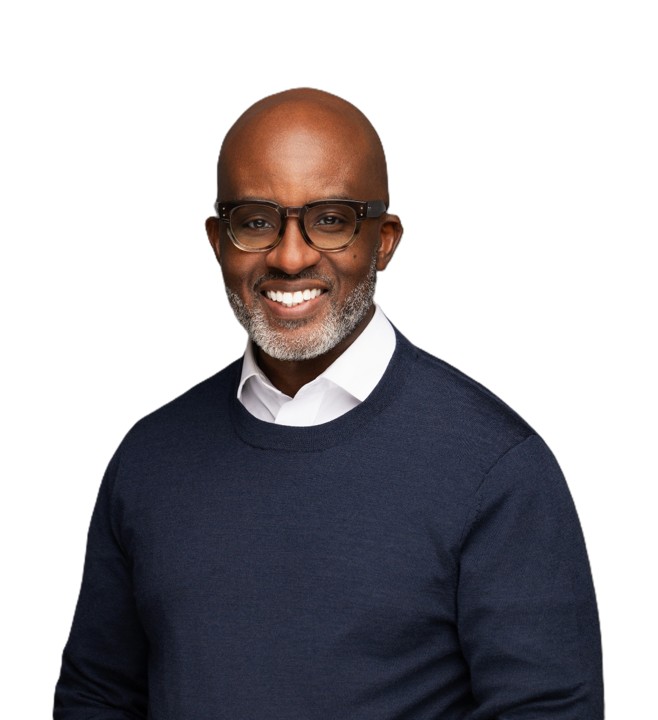
Dr. Gregory spent more than 12 years leading federal research programs at the U.S. Army Research Laboratory, most recently as Branch Chief for Humans in Complex Systems. He knows how agencies evaluate and prioritize research because that was his job.
Kumenya works with your research office. Our partner, Wise Investigator, works directly with your faculty through a 12-week funding program led by former federal program managers. Dr. Gregory also serves as Wise Investigator's Director of Partnerships & Programs.
Behind the Curtain introduces applied and translational funding. For hands-on help and deeper training there, or for funders beyond the federal government, these two services begin with a conversation, so we can shape them around your institution before any work starts.
Help moving research toward use, and toward the funders and partners who support that stage.
Industry partnerships, foundations and philanthropy, and investment capital, alongside your federal portfolio.
Tell us about your research portfolio and where you want it to grow. We'll share where we see room to capture more.
Start a conversation